
Statement: We need holistic solutions to make e-bikes safer
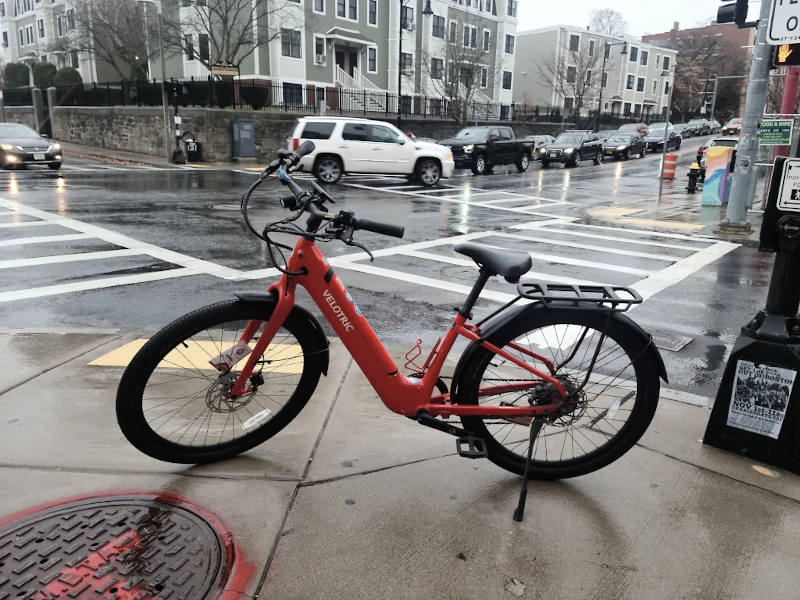
We at the BCU are deeply saddened by any tragic death of any pedestrian. We want to reiterate our sadness about the Braintree elder, Mr. Minh Dang, a pedestrian in Back Bay who was killed in a fatal e-bike crash, as well as the recent fatal crash in Stoneham of young Bedford teen Parker Robles. Every life lost or forever changed on our roads is a profound tragedy. We extend our condolences to the families and communities grieving these heartbreaking events.
As we think about how to prevent these deaths, we must be holistic in our thinking and not just jump to knee-jerk regulations. While gaps in our current regulatory landscape for e-bikes certainly exist (class III e-bikes being the glaring one), we cannot be reactive and punitive. The vast majority of e-bike riders are safe and the vast majority of bike riders are safe. Regulations which have the potential to punish these safe riders will cause far more harm than good. A comprehensive plan to prevent fatalities needs to be centered around evidence-based safe street designs that guides predictable behavior and reduces conflict.
As a society, we have long and tragically normalized traffic violence caused by motor vehicles. Dozens of preventable traffic deaths and thousands of injuries occur each year in MA, and yet these crashes rarely provoke sweeping calls for restrictive policy. We do not see immediate demands to lower speed limits, redesign dangerous arterial roads, or install traffic-calming measures.
However, when a tragedy occurs involving an e-bike, the reaction is different. It becomes an opportunity to vilify a whole mode of travel rather than to confront the real issue: we have not built a transportation system that is ready for the reality that more people are walking and biking, including the growing many who rely on e-bikes to travel longer distances, carry goods or children, or overcome age- or mobility-related barriers.
There are more bikes on our streets than ever before, and yet Boston’s streets have not updated quickly enough to match that demand. Bluebikes data has shown that especially on the edges of their network (Mattapan, Hyde Park, Everett, Medford) e-bikes are immensely popular, and yet safe infrastructure doesn’t exist in those areas. This is even more true outside of the greater Boston area. Regulations which punish riders, including mandatory licensing laws, risks discouraging trips which get less cars on the road, lower emissions, and provide an affordable way to move around our city, and certainly risks discriminatory enforcement. Solutions, need instead, to be encouraging of safe ridership through comfortable infrastructure.
What we need, urgently and everywhere, is a holistic, good-faith approach to street safety:
- A protected, connected bike lane network that separates vehicle types and reduces conflict.
- Traffic-calming design that lowers speeds and prevents deadly crashes.
- Clear, predictable crossings that prioritize pedestrian safety.
- Education, awareness campaigns, and equitable enforcement that encourage safe behavior without targeting or discouraging vulnerable road users.
We all deserve streets that keep us safe no matter how we move through the city. There is overwhelming evidence that street design saves lives. That is where our focus must be. Not doubling down on a transportation system built primarily for cars. Not on creating fear or stigma around micromobility. And not on policies that would push people away from climate-smart, space-efficient, accessible forms of travel.
The Boston Cyclists Union remains committed to working with residents, policymakers, advocates, and city officials to draft level-headed regulation and build a transportation network that is safe, equitable, and sustainable. We grieve these tragedies, but importantly, we honor them by also demanding solutions that address their root causes, not their symptoms.